admin
Oct 22, 2025

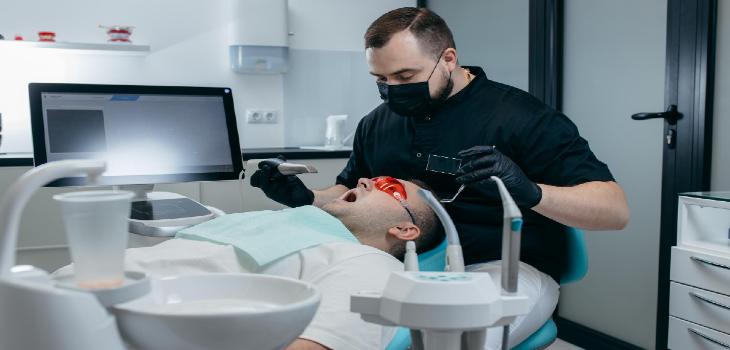
It's common to feel a little discomfort and pain after a dental procedure. Whether you've had a dental filling, root canal treatment, tooth extraction or dental implant surgery, you might experience numbness, pain, tenderness or swelling around the treated area.
Even a small dental work can leave you wondering: how long does numbness or swelling last? While some distress is expected, it's imperative to understand which sensations are beyond the normal recovery process and need quick attention.
There is no denying that every dental procedure is different, and so is the healing time. Fret not! Here is a complete guide to help you understand the normal post dental procedure/treatment symptoms like numbness, tenderness or swelling.
However, it is always good to reach out to your seasoned Hope Island dentist if you experience throbbing pain, prolonged soreness or any other complications after the treatment.
Temporary numbness is one of the most common post dental treatment effects due to local anesthesia used by dentists to keep you relaxed and pain free during the procedure.
The anesthetic is injected into the affected area to block pain signals, allowing the patient to remain conscious but feel no pain during treatments such as the root canal, tooth extractions, and dental implants.
How Long Does Numbness Last after the Treatment?
The duration of numbness may vary depending on the type of dental work and other conditions. Here is a quick breakdown:
During this phase, do not chew or bite your cheeks or lips. A seasoned dentist Hope Island also suggests hot liquids to aid in a quick recovery. What's normal? If numbness persists for 4 to 6 hours, the situation is under control. You just need to follow the post treatment care.
When to be concerned: Discomfort that Signals Complications
If the numb sensitivity persists beyond 12 hours, you should visit your doctor immediately. This could indicate nerve irritation or injury (which is a rare condition), or infection or inflammation in the treated areas. In most scenarios, nerve related numbness improves after a few days.
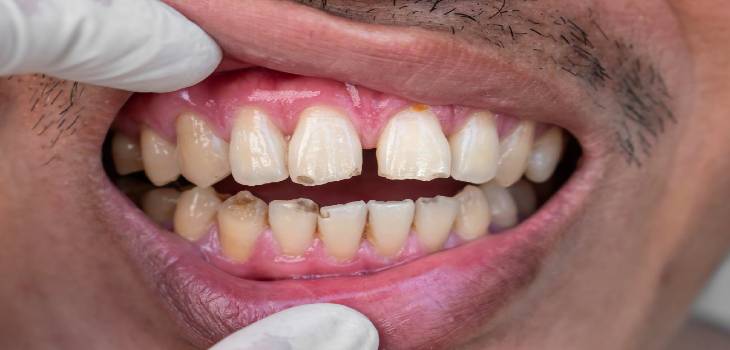
Tenderness, discomfort or mild pain when a treated area is touched or pressed is another common effect post dental work. When RCT or tooth extraction is performed, the delicate tissues in your mouth experience trauma.
This can lead to mild tissue damage or soft tissue trauma, inflammation, nerve sensitivity or bite adjustment issues if the new filling sits slightly high.
What’s Normal vs. Visiting your Dentist
A routine filling or cleaning may cause mild to moderate tenderness that lasts a day or two after the dental work. It is even normal if you experience mild soreness when chewing your food after deep filling for up to a week.
Gum tenderness after root canal or treatment can last up to 6 to 8 days and is considered normal. However, you should contact your dentist if the tenderness worsens or pain persists beyond a week.
If you feel sharp pain while biting food, you may need a bite alignment treatment. Throbbing pain at regular intervals also indicates an infection that may need dental emergency.
Swelling is also common after certain dental treatments, especially tooth removal and root canal. It usually depends on an individual's inflammatory response to the issue manipulation.
Swelling peaks around 48 hours after the dental work and gradually reduces over the next two to three days. Many people experience a swollen face after impacted wisdom tooth treatment that lasts for over a week.
How to Reduce Swelling:
When swelling is an indication of infection:
If swelling increases after 72 hours along with mild tooth pain or discomfort, you must visit your dentist in Hope Island. This could be a sign of nerve infection. In such a case, prompt dental attention can prevent complications and painful treatments.
To keep your healing process smooth and comfortable, follow these simple yet effective tips:
Dental procedures can do wonders, but be prepared for after effects like temporary numbness, swelling and tenderness. These can last for a few hours to a week, depending on the dental work, individual's inflammatory rate and other influencing factors.
With home care and aftercare instructions, you can reduce these symptoms. However, if you notice lingering numbness or swelling, contact your dentist immediately. Timely care and attention can protect your dental health and radiant smile.