admin
Sep 07, 2026

Tooth sensitivity is a common dental concern that can make everyday activities such as eating ice cream, drinking cold water or enjoying a hot cup of coffee uncomfortable. While the discomfort may only last for a few seconds, frequent sensitivity can sometimes be a sign that your teeth need attention. Understanding the possible causes can help you recognise the problem early and take steps to protect your oral health.
If you regularly experience sharp pain when eating or drinking something hot, cold, sweet or acidic; it is worth discussing your symptoms with a dentist Hope Island. A dental professional can examine your teeth and gums to determine whether the sensitivity is caused by enamel wear, gum recession, tooth decay, grinding or another issue. This article explores the common reasons and treatment options for tooth sensitivity. Knowing the cause is important because the right treatment will depend on what is triggering the sensitivity.
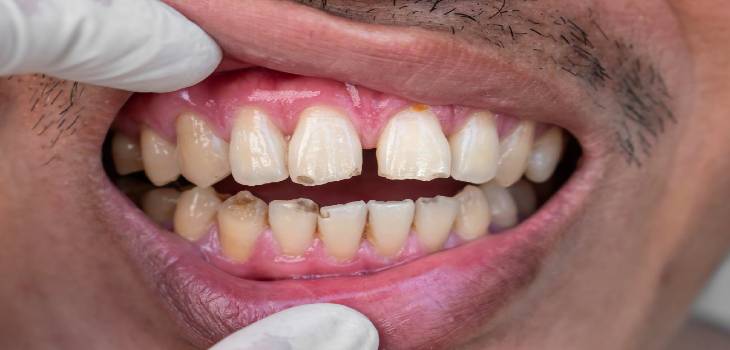
Tooth sensitivity, also known as dentine hypersensitivity, occurs when the protective enamel covering the tooth becomes worn or when the gum moves away from the tooth and exposes its root. This can expose the dentine underneath which contains tiny channels that can transmit sensations towards the nerves inside the tooth.
Sensitivity commonly feels like a short, sharp pain when your teeth come into contact with something hot, cold, sweet or acidic. It may also happen when brushing your teeth or breathing in cold air. If the discomfort continues after the trigger is removed, however, it may point to another dental problem that needs to be checked.
One of the most common reasons for sensitivity is the gradual loss of the tooth's protective layers. Brushing too hard, using a hard bristled toothbrush and regularly consuming acidic foods or drinks can contribute to enamel wear. Once enamel becomes thinner; the underlying dentine can become more exposed.
Gum recession can also expose the roots of the teeth and increase sensitivity. Teeth grinding and clenching may contribute as well by putting repeated pressure on the teeth and wearing down their protective surfaces.
Yes, tooth decay can cause sensitivity when damage reaches deeper layers of the tooth. A tooth may become particularly sensitive to sweet foods, hot or cold drinks, or pressure while eating. Cracks, damaged fillings and other problems can also cause similar symptoms.
This is why it is important not to assume that every sensitive tooth simply needs sensitive toothpaste. Desensitising toothpaste can help with some types of sensitivity, but it will not fix sensitivity caused by tooth decay. The underlying problem needs to be identified and treated appropriately.
Certain daily habits can gradually increase sensitivity without you realising it. Making a few simple changes, can help protect your enamel and reduce irritation.
Good oral hygiene is still important even when your teeth are sensitive. Brushing twice a day with fluoride toothpaste and cleaning between your teeth, can help maintain healthy teeth and gums while reducing the risk of problems that may contribute to sensitivity.
Treatment depends on what is causing the sensitivity. For mild sensitivity caused by exposed dentine, a dentist may recommend a desensitising toothpaste or other products designed to reduce the response of the tooth to hot and cold triggers. Fluoride treatments may also be considered to help strengthen and protect the tooth surface.
If sensitivity is linked to decay, a damaged filling, a cracked tooth or another dental condition, treating the underlying problem is more important. Depending on the situation, treatment may involve a filling, bonding, crown or other appropriate dental procedure. In more serious cases where the nerve is affected, root canal treatment may be required.
Not every episode of sensitivity means that something is seriously wrong, but persistent or worsening symptoms deserve professional attention. You should consider seeing a dentist Hope Island if sensitivity happens regularly, affects one particular tooth, becomes more painful or continues after the hot or cold trigger has been removed.
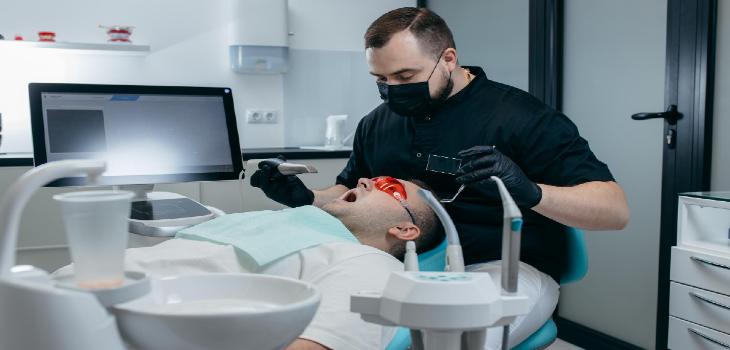
A dental examination can help identify problems such as enamel erosion, gum recession, tooth decay, cracks or teeth grinding. Early assessment can also help prevent a minor issue from developing into a more complicated dental problem and allow treatment to be recommended based on the actual cause of your sensitivity.
Protecting your teeth every day is one of the best ways to reduce the risk of sensitivity. Use a soft toothbrush, avoid aggressive brushing and maintain a consistent oral hygiene routine. It is also helpful to limit frequent exposure to acidic and sugary drinks.
Regular dental check ups can help identify early signs of enamel wear, gum problems, decay or other issues before they become more serious. If you already experience sensitivity, discussing it with your dentist can help you find the most suitable way to manage it.
Tooth sensitivity can have several causes, and the right treatment depends on what is behind the discomfort. From enamel wear and gum recession to decay and teeth grinding, identifying the cause is the first step towards relief. If sensitive teeth are becoming a regular problem, speaking with a dentist Hope Island can help protect your smile and prevent the issue from getting worse.