admin
Jan 05, 2026

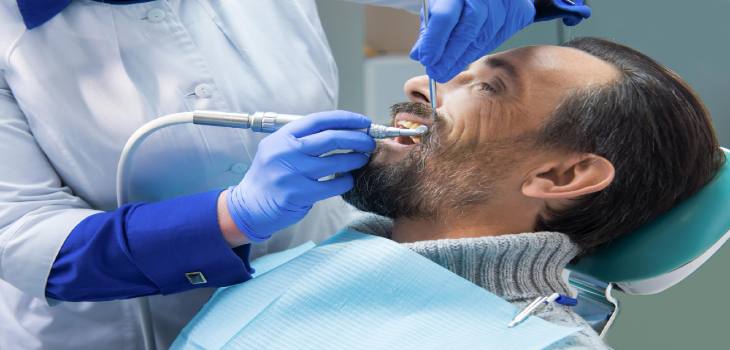
Deep teeth cleaning and scaling are dental procedures used to promote oral hygiene. Both are helpful in removing plaque and tartar from the root and tooth surfaces, especially beneath the gum line. Dentists and periodontists also recommend scaling if you have mild to moderate gum disease. These procedures can help sore and bleeding gums while preventing tooth loss and other serious complications.
However, after the deep cleaning & scaling treatment, it is normal to experience minor bleeding, sensitivity, and swelling for a few days. Dentists may prescribe antibiotics to prevent infection. Remember that proper care is essential to help your gums heal and prevent infections.
Below is a complete guide to gum care after deep cleaning and scaling. Here’s what you need to know when scheduling your appointment with professional dentists in Hope Island for the same treatment.
Here are some important tips to help you prevent discomfort after the procedure:
Your gums might feel sensitive immediately after the scale or deep cleaning. So, strictly avoid eating crunchy, acidic, hard, or spicy food for at least the first 24 hours, or until you feel comfortable.
Instead, consume soft, warm foods like soups, mashed vegetables, tofu, and smoothies. Give your gums time to recover from soreness and sensitivity after the treatment. Make sure you consume five main vitamins to maintain healthy gums and teeth.
Tip: Do not eat super hot food, as it can also increase sensitivity after cleaning.
Make sure you brush twice a day to prevent germ buildup. When brushing post treatment, use a soft bristled toothbrush and don’t brush too hard. This can irritate your treated gums, causing them to appear red. Try to brush for 2 minutes each time, focusing on the gum line.
Floss daily to prevent plaque and food particle buildup. A professional Hope Island dentist recommends daily basic dental care, like brushing and flossing. It can do wonders in reducing soreness and tenderness after deep cleaning or scaling.
There is no denying that a saltwater rinse reduces sensitivity and soreness to the gums and provides ultimate comfort. Plus, it is a natural way to clean your mouth and prevent bacterial buildup.
Swish a cup of warm salt water for 30 seconds. Do this at least twice a day to reduce pain and discomfort. Avoid overdoing it!
If you experience extreme sensitivity after your treatment, ask your dentist for a desensitising toothpaste for a few days. It contains ingredients that can prevent sensitivity and keep the nerves relaxed. You can use it twice a day until you feel comfortable. Ensure you apply a pea sized amount and brush normally to prevent dental pain.
Believe it or not! Drinking plenty of water can flush away toxins, leftover dirt, and even plaque while keeping you hydrated. On the contrary, a dry mouth can worsen sensitivity. So, drink water regularly post treatment. If your gums still feel irritated, hold cool water in your mouth for a few seconds for quick relief.
Tip: Avoid alcohol based mouthwashes for a couple of days, as these can be harsh on your gums.
Mild soreness and sensitivity are normal. However, if you notice unusual swelling, pain, and bleeding, you must contact your dentist in Hope Island. Getting it checked early is crucial to prevent complications or infection. Your dentist will help you offer additional care tips if required.
Also, stay on top of your regular dental routine even if you don’t experience discomfort. Brushing, flossing, and rinsing with saltwater can keep germs at bay and smile vibrant. Make sure you follow dentist’s instructions for good oral hygiene.
Wrapping Up
It is obvious to experience mild soreness or sensitivity for a few days because the deep cleaning procedure focuses on sensitive areas of the gums and tooth roots to remove plaque and tartar. This discomfort is temporary and a part of the healing process. Make sure you follow these care tips post treatment to alleviate pain and soreness.