admin
Jan 15, 2026

People often ignore warning signs like tooth sensitivity, a pimple on the gums and consistent pain. This often leads to decay or damaged teeth. Root Canal might have a reputation as a painful dental treatment, but it helps save your natural teeth in the long run. Nearly 26% of adults have untreated tooth decay, leading to serious infections requiring a root canal. In some cases, dentists remove an infected tooth to prevent infection.
It is always good to address warning signs as early as possible to prevent severe repercussions. Regular brushing and flossing can help maintain oral hygiene, but routine dental visits make a world of difference. However, if you are wondering whether you need a root canal treatment or a dental filling, consider this guide.
We have compiled some of the most common warning signs to help you detect the problem easily. Make sure you consult your dentist in Hope Island and get yourself treated to flaunt a healthy and bright smile.
Let’s Get Started!
Are you feeling a throbbing or sudden sharp pain when you chew something or even touch a specific tooth? This could be a warning sign that your tooth needs a root canal. This kind of pain often means that the nerve inside the tooth is infected or damaged. If you are experiencing persistent pain, visit your dentist immediately.
Tip: Take only prescribed pain relief medications to alleviate pain.
A slightly chipped or cracked tooth can expose the inner layers of your gums to bacteria, like Streptococcus mutans. These can cause infecting, leading to painful episodes whenever you eat or drink. If you have noticed a crack or chips, visit your dentist in Hope Island and get it treated to prevent RCT.
It is okay to experience sensitivity to hot and cold on many occasions. However, if it lingers more consistently after eating or drinking hot or cold, you should have it examined. Prolonged sensitivity to temperature changes indicates that the nerves are struggling to respond and require treatment to prevent the infection from spreading to the infected tooth.
Are you witnessing a change in your tooth colour? A change from white to yellow, brown or even grey could be a sign of a root canal. Discolouration usually happens when the nerves and blood vessels inside an infected tooth are dying or damaged.
The breakdown of the tooth pulp changes the natural colour, signaling a RCT to remove the infected pulp. It is good to visit your Hope Island dentist even if you see a colour change in a tooth. Sometimes, people experience throbbing tooth pain at night. In such a scenario, they can try some natural hacks to reduce the pain.
These also indicate that an infection needs immediate attention as it has already spread from the tooth’s pulp to the surrounding tissues. These small, tender swellings have pus, leaving a metallic taste in your mouth.
In some cases, dentists also test the tooth’s pulp to prevent other serious problems. The treatment is necessary to remove infected tissue and clean the canals. They also seal the tooth to avoid further issues.
Ignoring these infections can worsen abscesses or spread them to other areas of your mouth.
Swollen gums near a specific tooth may be an initial sign that you need a root canal treatment. This type of swelling is often localised and causes puffiness around the infected area.
However, remember that not all gum swelling means a root canal. Therefore, a dentist diagnoses the problem after examining your X-ray report. Make sure you take care of your gums and teeth after deep cleaning or scaling to avoid pain.
If you are experiencing a bad taste in your mouth or bad breath, even after brushing or flossing, this could be a sign of a tooth infection. When a tooth decays or spreads infection, a foul smell lingers, which can give you a bad taste or smell. Don’t delay your visit because your endodontist may have a solution for this problem.
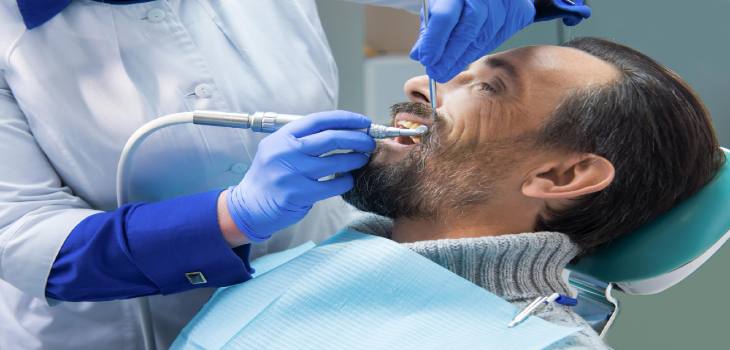
A dentist will examine your infected tooth with an X-ray to determine whether the infection is confined to the tooth or has spread to the bone. Endodontists are the ones who conduct root canals and other treatments related to the nerves of your tooth. They use a local anaesthetic to numb the area, and advanced drilling is used to remove the infected pulp and pus. While a treatment is painless, aftercare is essential for fast recovery to maintain overall oral health and hygiene.
These are some of the most common warning signs that can help you determine whether you need a root canal treatment. This treatment can save your teeth from getting removed, relieve pain and keep your smile vibrant for years with proper care and routine dental visits.