admin
Feb 18, 2026

Bad breath, also known as halitosis, is one of the most common dental problems that can negatively impact your self esteem, confidence, social interactions and overall wellbeing. While it is often linked to your daily eating habits, the underlying causes are not always as simple as they seem.
Poor oral hygiene is one of the main culprits, but it’s not the only one. Persistent bad breath is usually caused by bacteria in the mouth. But, it can also linger due to gum disease, underlying health diseases and dental issues. While temporary solutions may mask the bad odour for a few days or weeks, treating the root cause may deliver sustained results.
Here are some of the common causes of bad breath and practical ways to treat it. Make sure you visit your dentist in Hope Island regularly and adopt good dental habits to achieve a sparkling, confident smile.
Bad breath usually develops when bacteria break down food and dead cells in the mouth. This releases unpleasant smelling gases that can shake your confidence. Some of the key factors that can increase the lingering smell include:
If you are not brushing and flossing twice a day, then your mouth may smell bad. How? It’s because food debris and plaque tend to build up between teeth and the gumline, including crannies. This provides an ideal environment for smell causing bacteria to harbour. Without regularly cleaning your teeth and gums, bacteria can easily build up in your mouth, leading to unbearable bad breath.
People who brush and floss daily may still experience bad breath because the tongue can trap bacteria and debris due to its rough surface. This is one of the common problems that can affect your oral hygiene and shake your confidence when attending social gatherings.
This is one of the common causes of bad breath. Infected gum tissue and deep pockets around teeth tend to harbour bacteria that can produce unpleasant odours. If bad breath is accompanied by bleeding gums or tenderness, visit your certified Hope Island dentist for permanent treatment.
Sometimes gastric acid or acid reflux moves back up the food pipe (esophagus). This can cause irritation, inflammation and heartburn. The worst part is that stomach acid produces a strong, sour smell, which can cause bad breath.
Believe it or not! Saliva plays a pivotal role in eliminating bacteria from your mouth. It can even neutralise acids. But when you have dry mouth, bacteria build up more frequently and linger in your mouth longer, leading to an unpleasant smell. Dehydration, strong medications and underlying health conditions can dry your mouth.
There is a direct link between bad breath and H pylori bacteria. It is a common cause of peptic ulcers and dyspepsia.
Eating pungent smelling foods, like onions and garlic, can also cause bad breath problems. Smoking, crash dieting, excessive alcohol consumption, etc can also increase the bacterial growth, causing bad breath. Make sure you avoid certain foods with braces, such as sugary and sticky items. This can help prevent cavities and bad breath problems.
Cavities, ill fitting dental work, oral infection and infected teeth can also contribute to bad smell. In some cases, bad breath may also be linked to sinus and other respiratory disorders.
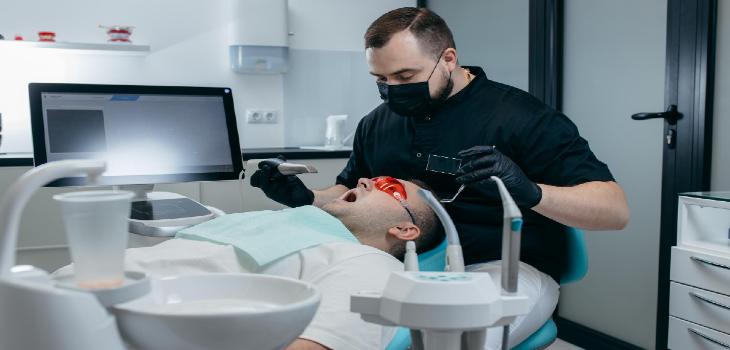
Identifying and treating the root cause of bad breath requires a thorough assessment by professional dentists in Hope Island. Here are a few things that can help you freshen up your breath:
Make sure you drink enough water throughout the day to keep saliva flowing in your mouth. This not only keeps you hydrated but also reduces dryness and the issue of persistent bad breath. Also, reduce caffeine and alcohol intake to help prevent dry mouth.
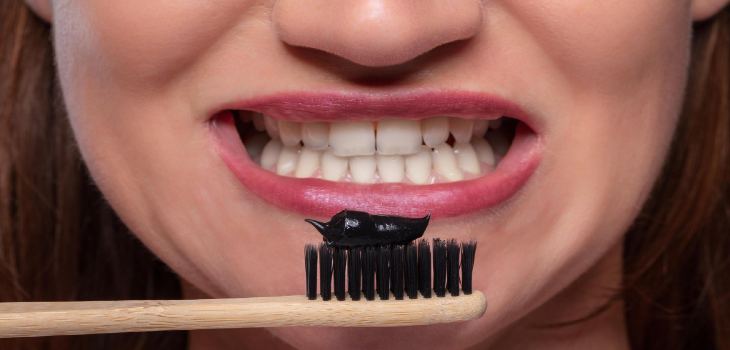
There is no denying that good oral hygiene is the key to reducing bad breath. Make sure you brush twice a day, floss daily, gently clean your tongue and replace your toothbrush regularly to prevent bacteria buildup.
If gum disease is the main culprit, proper dental treatment becomes essential. Make sure you regularly visit your clinic for dental checkups. Also, care for gums after deep cleaning and scaling to improve your breath and boost oral health.
This is one of the essential tips that will help you regain your confidence with fresh smelling breath. It is good to avoid spicy foods, alcohol, dairy products, and other foods that can harm your oral health.
When bad breath is linked to acid reflux, digestion issues, sinus infections and other underlying conditions, treat the main culprit as quickly as possible.
Of course, mint candies, mouthwashes and chewing gum provide a temporary solution, but they don’t treat the root cause, such as tooth decay, gum disease, etc. In some cases, alcohol based mouthwashes can worsen the condition by causing mouth dryness.
If you’re still suffering from bad breath after these hacks, then consult your dentist as soon as possible. This could be because of chronic halitosis, and it indicates serious health concerns, such as liver disorders, kidney diseases or respiratory problems.
Understanding the common causes of bad breath can help you identify the root cause for permanent treatment. Make sure you maintain good oral hygiene, keep yourself hydrated, and treat your gums and other oral diseases as quickly as possible by visiting your dentist to flaunt your bright and fresh smelling smile.