admin
Nov 13, 2026

Plaque and tartar are the most common dental health concerns, but they vary in terms of appearance, formation and removal process.
Plaque is a sticky bacterial film that forms on teeth, while tartar is calcified plaque that can’t be removed with regular brushing and flossing. Both may cause cavities or gum disease if left untreated.
Fret not! Here is a complete guide to help you understand the real difference between plaque and Tartar for effective removal. This will help you maintain healthier and brighter teeth. It is also essential to visit the best Hope Island dentist to retrieve your radiant smile.
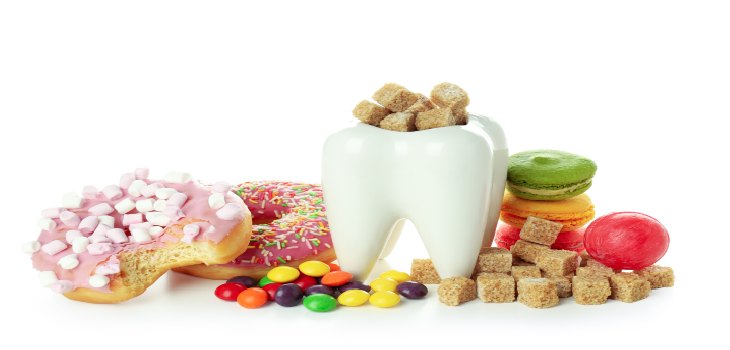
Dental plaque is a soft, sticky film that builds up on your teeth. It is hard to see with the naked eye, but you can actually feel it, especially in the morning or after eating sugary snacks.
Plaque is usually caused by bacterial buildup, food particles, and, of course, saliva. If food crumbs or bacteria stuck between your teeth aren’t removed, they can produce acids that erode your enamel, leading to other oral health consequences.
Fortunately, plaque is soft and can be removed when you regularly brush or floss with the right products. You can consider plaque an early stage of a problem that could become a miserable condition.
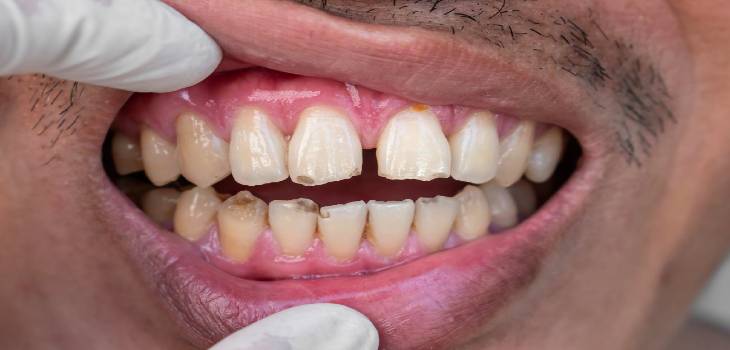
Also known as Calculus, Tartar is the buildup of plaque on your teeth that hardens. If plaque has been covering your teeth for too long, the layer becomes calcified, porous and rough. If left untreated, tartar can cause gum disease, bad breath and increase the risk of other critical issues. It often appears yellow, brown, and darker near the gumline.
Remember that tartar can’t be removed with regular brushing or flossing. Therefore, you need a professional treatment from a reliable dentist Hope Island.
It is important to know the difference between the two because plaque is the starting point, and overlooking it can cause it to harden into tartar. Let’s understand the difference:
While dental plaque appears as a soft, sticky film on teeth, tartar often appears hard and crusty. You can actually see the tartar more easily.
Plaque is usually colourless or pale yellow and is hard to see. Tartar, on the other hand, is yellow or brown in colour. It can sometimes turn a dark colour, which can ruin your smile and confidence.
While plaque forms daily from bacteria and food deposits, tartar develops when plaque hardens if not removed properly.
Plaque can contribute to cavities, tooth decay and gingivitis. On the other hand, Tartar increases the risk of advanced gum diseases.
Plaque is often located over the teeth and along the gumline, where tartar tends to form between the teeth and along the gumline.
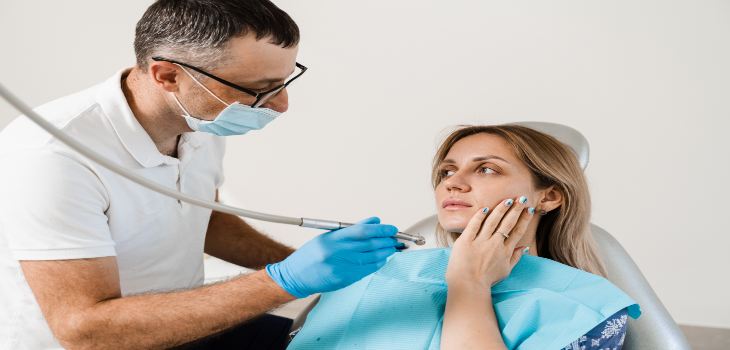
Standard brushing and flossing can help remove plaque. However, tartar requires professional dental cleaning in Hope Island.
Don’t overlook the following factors that can increase the likelihood of both conditions:
It is good to keep an eye on your oral health and maintain a tidy, radiant smile.
If you see a yellowish or brown line around your teeth, it may be time to visit a Hope Island dentist. Tartar, or hardened plaque, requires a professional cleaning to restore a confident smile.
That’s one of the key reasons why regular dental check-ups are crucial. They can diagnose oral health problems early and start the treatment at the right stage to keep your teeth and gums healthy.
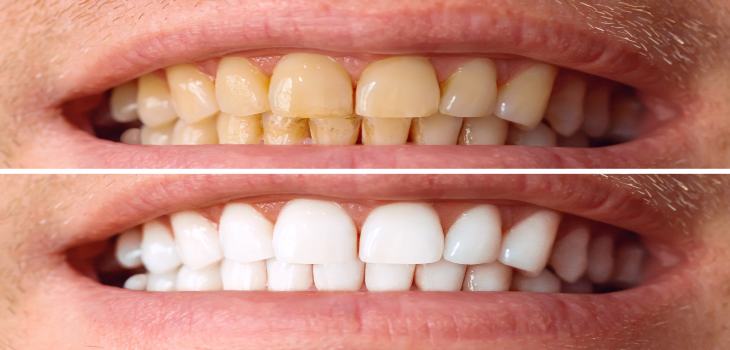
Dentists in Hope Island use specialised techniques to eliminate plaque and tartar buildup without wearing out the enamel. They have the treatment for yellow teeth.
You can significantly prevent plaque buildup. All you need to do is:
Plaque is just the beginning and can harden into tartar, leading to tooth decay, bad breath, and advanced gum disease. Hopefully, this guide has helped you understand the key difference between the two and better manage your oral health. While plaque is soft and easy to remove, tartar is hard, appears yellow, and requires professional dental cleaning. Visit your dentist to prevent a much bigger problem later.