admin
Jul 07, 2026

Brushing your teeth twice a day is one of the simplest ways to maintain good oral health. However, many people wonder whether they should stick to a traditional manual toothbrush or switch to an electric one. With so many options available, choosing the right toothbrush can feel overwhelming.
This article explores which toothbrush is better for you. However, both manual and electric toothbrushes can effectively clean your teeth when used correctly. The best choice depends on your oral health needs, brushing technique, lifestyle and personal preference. If you are unsure which option suits you best, a Hope Island dentist can recommend the most suitable toothbrush based on your dental condition.
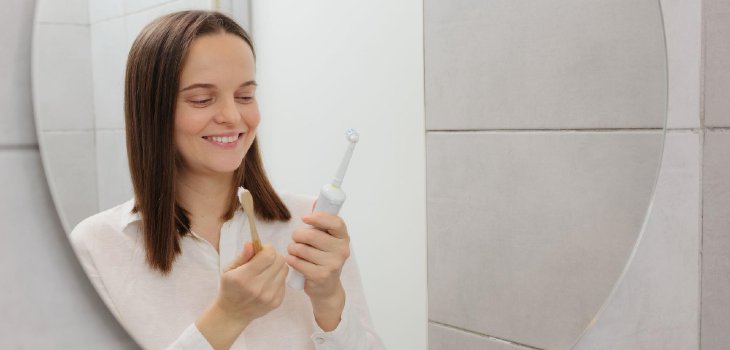
An electric toothbrush uses a battery powered motor to create rapid brushing movements, such as oscillating, rotating, or vibrating bristles. These movements help remove plaque and food particles more efficiently with less effort from the user. Many models also include features like built in timers, pressure sensors, and multiple cleaning modes.
These additional features can improve brushing habits, especially for people who tend to brush too hard or for less than the recommended two minutes. Electric toothbrushes are also easier to use for children, older adults, and individuals with limited hand mobility.
Manual toothbrushes offer several practical benefits, making them a popular choice for maintaining good oral hygiene. These include:
Research has shown that electric toothbrushes generally remove more plaque than manual toothbrushes, particularly models with oscillating or rotating brush heads. They also help reduce gum inflammation because the consistent brushing motion reaches areas, that many people miss with manual brushing.
However, the toothbrush itself is only part of the equation. A manual toothbrush used with proper technique for two minutes twice a day can still provide excellent results. Regular brushing, flossing, and routine dental check ups are far more important than the type of toothbrush you choose. Visiting a Hope Island dentist regularly also helps ensure your brushing routine is keeping your teeth and gums healthy.
The right toothbrush often depends on your individual circumstances rather than which one is more advanced. Electric toothbrushes are particularly beneficial for people with braces, dental implants, gum disease, arthritis, or reduced hand movement because they require less manual effort while providing thorough cleaning.
Manual toothbrushes remain a practical choice for people who have good brushing habits, travel frequently, or prefer a lower cost option. They are lightweight, easy to replace and don't rely on electricity, making them ideal for those who value simplicity.
Cost is another important factor when choosing between an electric and a manual toothbrush. Manual toothbrushes are significantly more affordable and only need replacing every three months. Electric toothbrushes have a higher upfront cost, and you'll also need to replace the brush heads regularly, which adds to the ongoing expense.
While electric toothbrushes may cost more, many people see them as a worthwhile investment because of their advanced features and ease of use. If improved brushing habits lead to better oral health, they may even help reduce the need for future dental treatments. The right choice depends on your budget, lifestyle, and long term oral care goals.
Instead of focusing only on whether a toothbrush is electric or manual, consider how consistently you brush and whether you're using the correct technique. Choose a toothbrush with soft bristles, a comfortable grip, and a head size that easily reaches every part of your mouth. Replacing your toothbrush or brush head every three months is equally important.
If you're still uncertain, speaking with a Hope Island dentist can help you make an informed decision. A dental professional can assess your oral health, identify areas where your brushing could improve, and recommend the toothbrush that best supports your long term dental care.
Both electric and manual toothbrushes can keep your teeth clean and healthy when used properly. Electric toothbrushes offer added convenience and advanced features that may improve plaque removal while manual toothbrushes remain an affordable and reliable option for many people. Pair your daily oral care routine with regular dental visits and you'll be well on your way to maintaining a healthy, confident smile for years to come.