admin
Feb 27, 2026

Dental plaque can take a toll on your bright and healthy smile. The sticky film on your teeth forms due to bacterial buildup, saliva, or food residue. Though you can’t see it at first, plaque forms quickly and leads to various dental problems.
It can contribute to tooth decay, gum disease and tartar buildup, affecting your smile and knocking your confidence. However, the good news is that dental plaque can be removed and managed easily with the routine dental cleanings and the right habits. From daily brushing and flossing to regular dental visits, all play a pivotal role in maintaining your oral health.
Luckily, this guide will help you understand what dental plaque is and how to remove it using the best methods. If you have cavities or other gum disease along with plaque, visit your Hope Island dentist immediately and get the best treatment at the right time.
Let’s Get Started!
Plaque is a soft, sticky coating of bacteria that constantly develops on your teeth, along the gumline if left untreated. The bacteria in dental plaque feeds on sugars and starches you consume, releasing acids that can erode your enamel over time. It may also cause decay and bad breath.
When you eat something, the bacteria in your mouth feed on leftover food/residue, such as sugars and carbohydrates. This breaks the food down into an acidic coating called dental plaque.
Although plaque may not be clearly visible, you can still feel it. A rough texture on your teeth is a clear sign of plaque buildup. It is technically colourless, but it can cause tooth discolouration due to sticky residue. Dental plaque can make your teeth look and feel fuzzy.
If left untreated, it can turn into stubborn tartar that cannot be removed by brushing or flossing. Tartar is a complex dental condition and requires professional cleaning from an experienced dentist in Hope Island.
You won’t always see the sticky film, but your mouth will show signs as mentioned below:
You may also witness stained or less white teeth despite regular brushing and flossing.
If you don’t maintain your oral hygiene, plaque can harden into tartar. It can cause dental damage over time. The bacteria and acid activated in your mouth wear down enamel, causing tooth decay and cavities. These small holes can deepen and spread if not treated as quickly as possible.
Eating sugary and starchy foods can also cause plaque buildup that can affect your gums. When it builds up around the gumline, it can cause gingivitis, swelling, and bleeding. If left unchecked, gingivitis can lead to gum recession, and you may even lose your teeth.
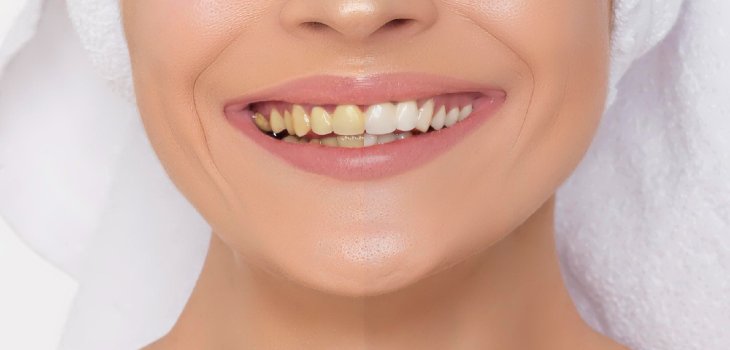
It can also affect your smile because the sticky film holds on to stains from foods and drinks. This may make your teeth appear dull or even pale yellow.
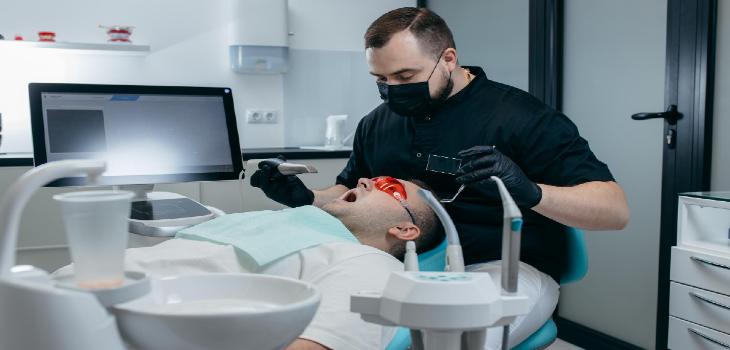
Regular dental checkups are one of the best ways to detect plaque buildup promptly. A professional Hope Island dentist will use special techniques and instruments to remove plaque and tartar from your teeth.
They may also suggest dental sealants on the chewing surfaces. They may also treat issues like dry mouth to increase saliva product. Apart from this, your dentist may also apply fluoride to reduce the growth of plaque causing bacteria while protecting your enamel. If tartar is present, deep cleaning and scaling will be needed.
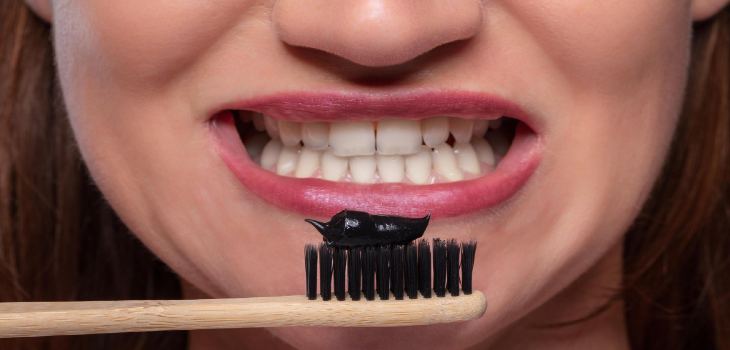
Make sure you brush and floss your teeth using the prescribed toothpaste and antibacterial mouthwash. This can help reduce inflammation.
There is no denying that plaque forms quickly, but it can be prevented with prompt and regular care.
People often overlook plaque, but it can lead to dental problems if left untreated. It starts smalls but spreads fast and affects the overall dental health. To protect your teeth and gums, you need to stay ahead of plaque to ensure healthy gums and a bright smile.