admin
Apr 20, 2026

Ever wondered how your eating habits could affect your teeth? Beyond cavities and plaque, certain patterns linked to eating disorders can cause long term and sometimes irreversible dental damage. What may begin as subtle changes in routine can gradually lead to serious oral health concerns, usually without immediate warning signs.
Eating disorders like anorexia, bulimia and binge eating disorder do not just impact overall health; they can significantly weaken your teeth and gums over time. This article will let you know how eating disorders impact dental health. From enamel erosion to increased sensitivity and gum disease; the effects can be both visible and deeply damaging. This is why dental professionals, including dentists Hope Island, often play a key role in identifying early signs and helping individuals take the first step towards recovery and better oral health.
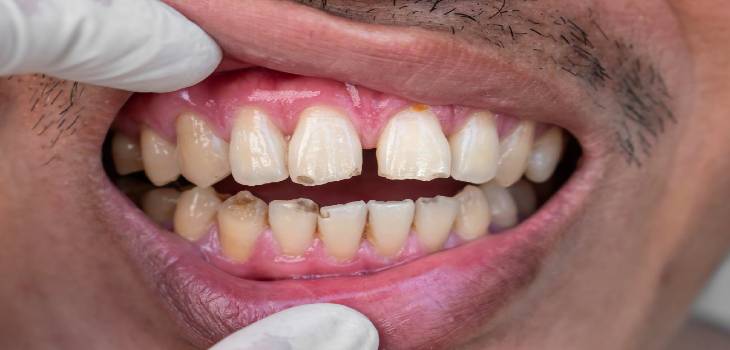
One of the most common dental consequences of eating disorders, particularly bulimia, is enamel erosion. Frequent vomiting exposes the teeth to stomach acids, which are highly corrosive. Over time, acid weakens and dissolves the enamel; the protective outer layer of the teeth. Once enamel is lost, it cannot regenerate; leaving teeth vulnerable to further damage.
As the enamel wears away, teeth may appear thinner, more translucent and even slightly yellow due to the underlying dentin becoming visible. Individuals may also experience increased sensitivity to hot, cold, or sweet foods. Seeking guidance from professionals like dentists Hope Island can help identify early signs of erosion and recommend protective treatments to minimise further harm.
Eating disorders can significantly raise the risk of tooth decay. Frequent consumption of sugary foods during binge episodes, combined with poor oral hygiene habits, creates the perfect environment for harmful bacteria to thrive. These bacteria produce acids that attack the teeth, leading to cavities and decay.
Additionally, individuals struggling with eating disorders may neglect regular brushing and flossing routines due to fatigue, depression or lack of motivation. Over time, this neglect compounds the damage; making dental issues more severe. Early intervention and consistent dental care are essential to prevent long term complications.
Malnutrition, a common side effect of many eating disorders, weakens the immune system and reduces the body’s ability to fight infections. This makes the gums more susceptible to inflammation, bleeding and periodontal disease. Without proper nutrients, the tissues supporting the teeth begin to deteriorate.
Gum disease can progress silently, often going unnoticed until it reaches an advanced stage. Symptoms such as persistent bad breath, swollen gums and loose teeth may indicate serious underlying issues. Regular dental check ups play a vital role in detecting and managing these conditions before they escalate.
Saliva is essential for maintaining oral health, as it helps neutralise acids, wash away food particles and prevent bacterial growth. However, eating disorders can lead to dehydration and reduced saliva production, resulting in a condition known as dry mouth (xerostomia).
A lack of saliva increases the risk of tooth decay, gum disease and oral infections. It can also make eating and speaking uncomfortable. In some cases, medications used to treat eating disorders or related mental health conditions may further contribute to dry mouth. Staying hydrated and seeking professional advice can help manage this issue effectively.
As enamel erosion and decay progress, tooth sensitivity becomes more pronounced. Everyday activities like drinking cold water or eating hot meals can trigger sharp pain or discomfort. This sensitivity can affect dietary choices, often leading individuals to avoid certain foods, which may further impact their nutritional intake.
In severe cases, structural changes in the teeth may occur. Teeth can become brittle, chipped or even fractured due to weakened enamel and underlying damage. These changes not only affect oral health but also impact self confidence and overall quality of life.
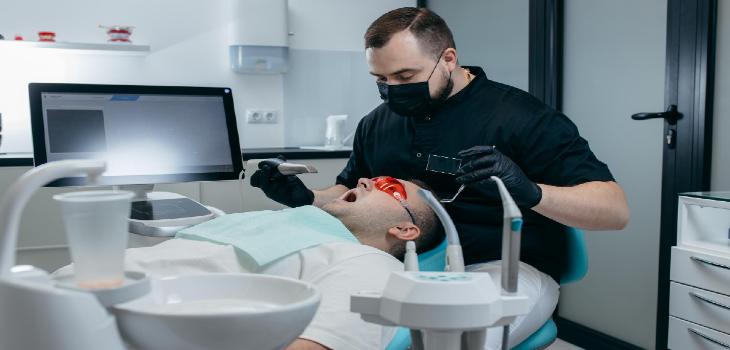
Addressing the dental effects of eating disorders, requires a comprehensive approach that includes both medical and dental care. Dentists are often among the first professionals to notice signs of an eating disorder through oral symptoms. Their role is not just to treat dental issues but also to guide patients towards appropriate support and resources.
If you or someone you know is experiencing symptoms; seeking help early can make a significant difference. Regular visits to dental professionals, such as dentists Hope Island, can help monitor oral health, provide preventive care, and offer tailored treatment plans. Combining this with proper medical and psychological support ensures a holistic path to recovery.
Eating disorders are complex conditions that affect both the body and mind and their impact on dental health is often underestimated. From enamel erosion to gum disease and tooth sensitivity, the oral consequences can be serious but are largely preventable with timely care. By raising awareness and encouraging early intervention, individuals can take proactive steps towards preserving their dental health and overall well being.