admin
Aug 26, 2026

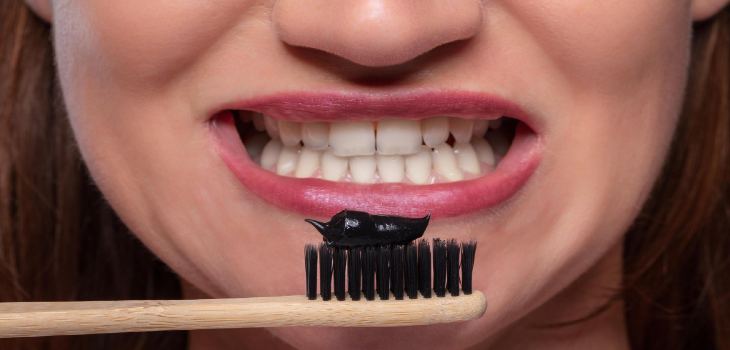
Have you seen charcoal toothpaste promoted as a natural way to get cleaner and whiter teeth? Its distinctive black colour and whitening claims have made it a popular choice for people looking for an alternative to traditional toothpaste. But does charcoal toothpaste really deliver better results, or is it simply another dental trend?
This article explores whether charcoal toothpaste is actually good for your teeth. Activated charcoal is often added to toothpaste because of its ability to bind with certain substances. While it may help remove some surface stains, that does not necessarily mean it can whiten teeth or improve your overall oral health. If you are considering making the switch, it is important to understand what charcoal toothpaste can and cannot do. If you have questions about whitening or your everyday dental routine, a dentist Hope Island can help you choose the right approach.
Charcoal toothpaste is made using activated charcoal, a processed form of carbon with a porous structure. It is commonly promoted as a natural ingredient that can help remove stains from the surface of your teeth. Because of its appearance and marketing; many people assume it provides deeper cleaning than ordinary toothpaste.
However, charcoal is not a replacement for the ingredients that make toothpaste effective for everyday dental care. When choosing a toothpaste, it is worth looking beyond the charcoal label and checking whether it contains ingredients that support your teeth and gums, particularly fluoride.
One of the main reasons people use charcoal toothpaste is to make their teeth look whiter. It may help remove certain stains sitting on the outer surface of your teeth, particularly stains linked to drinks such as coffee and tea. This can make teeth appear slightly cleaner or brighter.
However, removing surface stains is not the same as professional teeth whitening. Charcoal toothpaste cannot necessarily change the natural colour of your teeth or address deeper discolouration. If you are unhappy with the shade of your teeth, a dentist Hope Island residents rely on can assess the reason for the discolouration and discuss suitable whitening options.
Your enamel is the hard outer layer that protects your teeth. Once it is significantly worn away, it cannot simply grow back, which is why the way you brush and the products you use matter. Some charcoal toothpastes can be quite abrasive, depending on their formulation.
Using an abrasive product while brushing too firmly may increase wear on the tooth surface over time. This can potentially contribute to sensitivity, particularly if you already have worn enamel or exposed areas around the gums. For everyday brushing; focus on gentle technique rather than assuming that stronger scrubbing means a better clean.
Not every charcoal toothpaste contains fluoride, so checking the label is important. Fluoride is widely used in toothpaste because it helps strengthen enamel and protect teeth against decay. Choosing a product simply because it contains charcoal, could mean overlooking ingredients that are more important for maintaining your oral health.
Before switching to a charcoal product, consider:
If you are uncertain about which toothpaste to use, your dentist can help you choose a product based on your teeth, gums and existing dental needs.
If your main reason for using charcoal toothpaste is to achieve a brighter smile, there are other options worth considering. Professional teeth whitening is designed to address certain types of tooth discolouration more effectively than simply brushing with a stain removing toothpaste.
A dental check up before whitening is also important because not every type of discolouration responds in the same way. Your dentist can check for issues such as cavities, damaged teeth or gum problems before recommending a cosmetic treatment. This helps ensure that your whitening plan is suitable for your overall oral health.
Charcoal toothpaste is not necessarily harmful for everyone, but it should not automatically be considered better than conventional toothpaste. Its suitability depends on the specific product, its ingredients and how it is used. If a product is highly abrasive or does not provide adequate fluoride protection, it may not be the best choice for everyday brushing.
Pay attention to how your teeth feel after using it. Increased sensitivity, gum irritation or changes in the appearance of your teeth are reasons to stop and seek professional advice. Rather than choosing toothpaste because it is trending online, select one that supports your long term oral health.
Charcoal toothpaste can help with some surface stains, but there is limited reason to consider it superior to a good quality fluoride toothpaste. For healthy teeth and gums, focus on regular brushing, cleaning between your teeth, limiting excessive sugar and attending routine dental appointments. If you are looking for a brighter smile or are unsure which toothpaste is right for you, speaking with a dentist Hope Island can help you choose an option that suits your individual needs.