admin
Aug 12, 2026

Jaw pain while chewing can be uncomfortable and may make everyday activities such as eating, speaking or yawning difficult. Sometimes, the discomfort is temporary and may improve with rest. However, ongoing or worsening jaw pain can be linked to an underlying dental or jaw problem that needs attention.
There are several possible reasons why your jaw may hurt when chewing. These can include teeth grinding, jaw joint problems, dental infections, tooth damage or inflammation. This article explores why your jaw hurts when chewing. Understanding the possible cause can help you know when it is time to seek professional care. If you are experiencing persistent jaw pain; visiting a dentist Hope Island can help you identify the cause and recommend suitable treatment.
Jaw pain during chewing can have several causes. One common cause is strain or inflammation in the temporomandibular joint, commonly known as the TMJ. This joint connects your jawbone to your skull and allows you to open and close your mouth. Repeated chewing, stress, teeth grinding or an injury can place extra pressure on this joint.
Dental problems can also cause pain that feels like it is coming from the jaw. A cracked tooth, tooth decay, dental infection, or an impacted wisdom tooth may cause discomfort when you bite or chew. Because dental and jaw pain can sometimes feel similar, a dental examination can help determine the actual source of the problem.
Teeth grinding, also called bruxism, can put considerable pressure on your teeth and jaw muscles. Some people grind or clench their teeth while sleeping without realising it. Others may clench their jaw during stressful situations during the day. Over time, this pressure can make the jaw muscles tired, tight, or painful.
You may also notice other symptoms along with jaw pain. These can include headaches, tooth sensitivity, worn down teeth, or soreness around the face and temples. If you regularly wake up with a tired or painful jaw, your dentist can check your teeth and jaw for signs of grinding and discuss ways to protect your teeth.
Jaw pain can occur alongside other symptoms, depending on whether the problem is related to your teeth, jaw joint, or surrounding muscles. Look out for changes that happen at the same time as the pain.
Occasional jaw discomfort may settle after giving your jaw some rest, particularly if you have recently eaten hard foods or spent a long time chewing. However, pain that continues for several days, keeps returning or gradually becomes worse should be assessed by a dental professional.
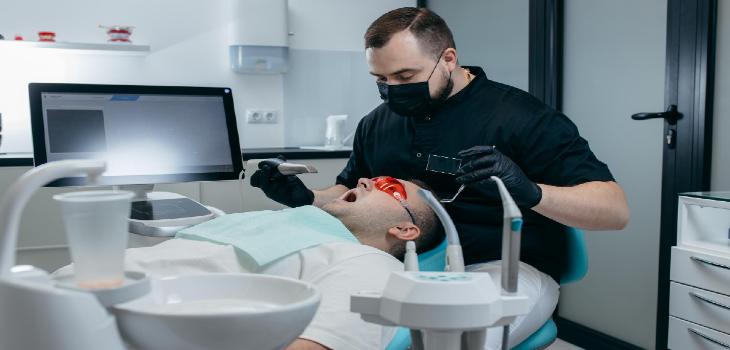
You should also arrange an appointment if your jaw pain is accompanied by tooth pain, swelling, difficulty opening your mouth, or sensitivity to hot and cold foods. A professional dentist Hope Island can examine your teeth, gums, bite, and jaw to determine what may be causing the discomfort. Early assessment can help identify dental problems before they become more complicated.
Treatment depends on what is causing the pain. If the problem is related to teeth grinding, your dentist may recommend measures to reduce pressure on your teeth and jaw. If a dental problem such as decay, a damaged tooth, or an infection is responsible, treating that condition may help relieve the jaw discomfort.
For jaw joint or muscle related problems, your dentist may recommend simple measures such as allowing the jaw to rest, avoiding foods that require excessive chewing, or using other appropriate treatments. The right approach depends on your symptoms and the findings during your dental assessment, so it is best not to assume the cause or rely on home remedies alone.
While not every cause of jaw pain can be prevented; some everyday habits may help reduce unnecessary pressure on your jaw. Avoiding excessive chewing and being aware of jaw clenching can be useful, particularly if you regularly experience discomfort.
Try to notice whether you clench your teeth when you are stressed or concentrating. It can also help to avoid regularly chewing very hard foods or objects such as ice. Maintaining regular dental check ups allows your dentist to identify problems such as worn teeth, decay, or changes in your bite that may contribute to jaw discomfort.
Jaw pain when chewing can have many possible causes, ranging from teeth grinding and jaw joint problems to tooth decay, infection, or an impacted wisdom tooth. While mild discomfort may sometimes improve with rest, persistent or recurring pain should be checked by a dental professional. A dentist Hope Island can examine your oral health and help determine the most appropriate next step. Getting the cause checked early can help prevent the problem from becoming more uncomfortable or difficult to treat.