Are you struggling with consistent jaw pain? Do you ever notice yourself clenching your teeth? This is a condition called bruxism, involving teeth grinding or clenching. It usually occurs subconsciously, but many people grind their teeth throughout the day, especially in stressful situations.
However, putting extra strain on your teeth as well as jaw can cause dental issues, jaw pain and headaches. The worst part is that anyone can develop bruxism , but it's commonly diagnosed in kids and young adults. Many people don’t even know that they clench their teeth while sleeping until they experience jaw pain or dental problems.
Worry not! Here is a complete breakdown of Bruxism causes, symptoms and treatment options. If you have dental problems, visit a trusted dentist Hope Island and fix the issue as quick as possible. This will help you enjoy a quality sleep while improving your overall oral health.
1. What are the Common Causes of Bruxism (Teeth Grinding)?
Though there is no specific reason why some people grind their teeth, here are some key risk factors that may elevate the issue:
- Higher Stress Levels: Many people tend to grind their teeth when they are under stress or anxiety mode. If you are diagnosed with anxiety or depression disorders, you are prone to teeth grinding sooner or later in your life.
- Poor Lifestyle: People who consume alcohol, smoke regularly or drink more than 5 cups of coffee a day can also develop this condition.
- Certain Medications: If you are on anti anxiety drugs for a long time, you may develop a habit of teeth grinding in odd situations.
- Sleep Apnoea: Many researchers have found that there is a direct relationship between sleep apnoea and teeth grinding. Though there is no certainty whether sleep apnoea causes bruxism, it is better to get this condition diagnosed before it worsens.
2. What are the Different Types of Bruxism?
Teeth grinding or jaw clenching can happen in both scenarios: when you’re asleep or awake. However, the grinding action remains the same:
- Sleep Bruxism: This happens when you grind or clench your teeth while sleeping. It can cause a serious issue if left untreated. Therefore, it is good to get proper treatment to help manage the effects. You can consult your professional Hope Island dentist for the solution and keep your teeth intact.
- Awake Bruxism: If you grind your teeth during waking hours, you can correct it by reducing your stress or diverting your mind.
3. Symptoms of Teeth Grinding (Bruxism)
Not sure if you have bruxism ? Here are some common symptoms of teeth grinding or clenching:
- Headaches when you wake up in the morning
- Sore jaw muscles
- Earaches
- Pain while eating, even soft food
- Tinnitus or ringing in your ears
- Difficult to open or close your mouth
- Chipped or flattened teeth
- Tooth sensitivity
- Popping in the jaw
4. Who Diagnoses Bruxism or Teeth Grinding?
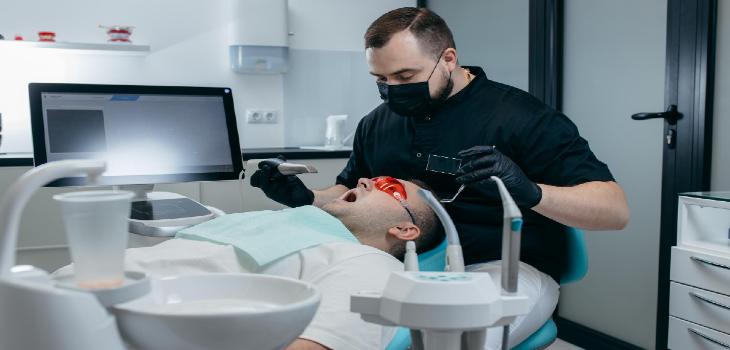
You should visit an experienced dentist in Hope Island to diagnose teeth grinding or jaw clenching problem. They conduct a physical exam and closely examine your symptoms. However, in some cases, you may need a sleep study. This is an overnight test at a sleep centre that helps you diagnose the issue more effectively. It is good to visit your dentist every six months for routine dental checkups.
5. Goodbye Bruxism: Treatment Options to Consider
If you have a mild teeth grinding issue or do it occasionally, you don’t need any formal treatment. Just improve your lifestyle, eat healthy and reduce stress levels. However, many healthcare professionals recommend these treatments:
- A Mouth Guard: This is one of the most effective ways to protect the enamel of your teeth. A dentist can design a customised mouth guard if you have Bruxism. This appliance can also place your jaws in a comfortable position, reducing muscle strain. Make sure you wear it when you're likely to clench your jaw, or at night.
- Alleviate Stress: To manage stress, you need to focus on meditation therapies, especially if you have anxiety disorders. Focus on staying relaxed, doing what you love the most and practising cognitive behavioural therapy.
- Medications: In worst scenarios, taking a muscle relaxer before bedtime can help reduce teeth grinding. However, it is only recommended for a few days.
- Maintain Good Oral Hygiene: To prevent dental complications, make sure you maintain good oral hygiene. Brush and floss twice a week, avoid sugary food and drinks and visit your Hope Island dentist for routine checkups. It is essential to make your kid’s dental visit stress free. This will help you diagnose Bruxism in its initial phase, when it is mild and less frequent.
- Lifestyle Changes: If you consume caffeine or alcohol daily in excess, reduce your daily intake and see yourself. If you smoke, quitting is the only option to stop grinding. It will also ensure quality sleep, without any muscle strain. Also, focus to sleep on time and avoiding distractions.
Wrapping Up
Bruxism is one of the most overlooked conditions, but it can lead to persistent headaches and dental issues. By understanding the causes, key symptoms and management strategies, you can easily combat the teeth grinding condition. Ensure you stay consistent and patient!