admin
Jun 17, 2026

Having well aligned teeth is one of the most valuable blessings in life. They not only improve your dental health but also boost confidence and overall wellbeing. Everyone should take care of their oral health to prevent issues like cavities, loose or broken teeth, and gum disease. While regular brushing and flossing help keep your teeth strong and radiant, they can’t always prevent wisdom tooth problems.
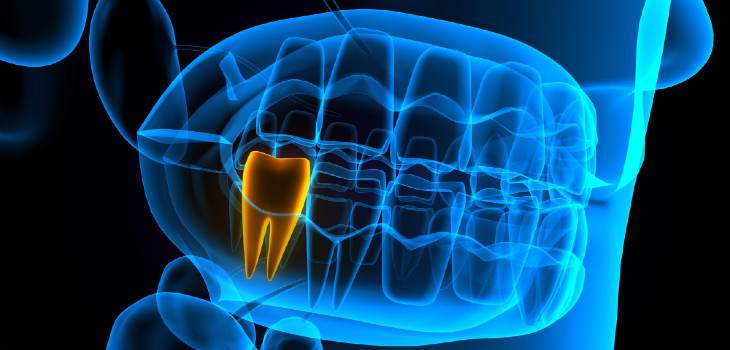
Nothing is more painful than impacted wisdom teeth. It occurs when the back molars are stuck beneath the gum due to insufficient space. They usually don’t erupt through the gum because of obstruction, causing misalignment.
From persistent jaw pain and swelling to eating discomfort, the symptoms of impacted wisdom teeth should never be ignored. It can cause serious infections, worsening the situation. It is always good to visit your Hope Island dentist even if you notice swelling or mild pain around the back molar. In this guide, we will discuss key signs of an impacted wisdom tooth to help you make the right decision quickly. With the right treatment or preventive measures, ensure you resolve this issue as quickly as possible.
Let’s Get Started!
There is no denying that teeth undergo significant changes during adolescence. One common change is the appearance of the third molars, also known as the wisdom teeth. This usually occurs from the age of seventeen to twenty five, which may or may not affect your aligned teeth. In most cases, wisdom teeth are impacted due to insufficient space in the jaw or obstruction. It can also become impacted when the teeth grow at the wrong angle.
Although impacted wisdom teeth don’t always cause discomfort, they can lead to serious issues, such as infection, jaw pain, tooth decay, cysts, crowding of the surrounding teeth and gum disease. It becomes difficult to brush the three molars, which can harbour germs and cause infections if left untreated.
According to professional dentists Hope Island, there are four types of wisdom tooth impaction:
However, there is a common dental myth that all wisdom teeth are painful. It may not cause pain or discomfort if not impacted due to a lack of space or obstruction. It is good to keep a watch for key signs to prevent further damage or unbearable pain.
Wisdom tooth impaction may differ depending on its position in the mouth. Ensure you visit the dentist regularly to check whether your teeth are impacted. Here are some signs to look for:
Also known as halitosis, it is one of the key signs to look for when checking for impacted wisdom teeth. If you have a bad breath that doesn’t seem to banish, visit your dentist for a dental checkup. A dental x ray can help provide proof of impacted teeth.
Wisdom teeth often get impacted when they don’t find the space to erupt properly. This can lead to swollen or bleeding gums, causing pain and discomfort. Make sure you see a professional dentist to find out whether it is because of an impacted wisdom tooth.
This is another sign of an impacted wisdom tooth. Many people find it difficult to open their mouths due to jaw pain. This could happen due to the disruption of the gum and its burial in your jawbone. If the tooth pain is unbearable, visit your dentist immediately for the prompt treatment.
If you are constantly experiencing an unpleasant taste, this may be due to a disrupted tooth. It happens because cleaning an impacted tooth is difficult, as it harbours bacteria and food particles. So, treat the sour taste as soon as possible.
If you have been diagnosed with impacted or disrupted wisdom teeth, your Hope Island dentist or oral surgeon may recommend tooth removal surgery for permanent treatment. It is also known as wisdom tooth extraction.
During the process, an incision will be made in your gums to help remove the impacted tooth effectively. It can be removed in one piece or sectioned into smaller pieces depending on the case. The incision will be stitched closed. Later, gauze will be placed in the surgical area.
Whether you have painful impacted wisdom teeth or semi impacted condition, there is a need to maintain regular oral care. Make sure you visit your dentist regularly and remove it at an early stage as soon as you notice the symptoms as shared above. This will prevent unwanted pain and discomfort while promoting overall oral hygiene.